Die Eisheilige for 2021
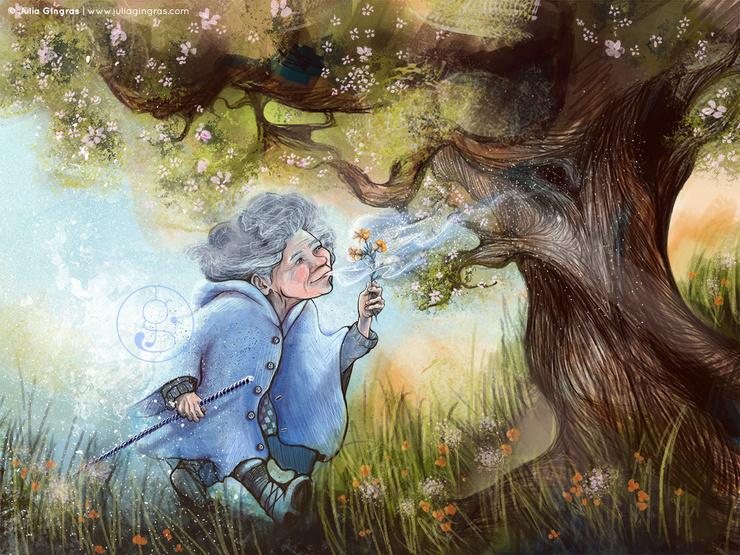
The Icy Saints are periods of days in May where surprisingly cold weather may ruin crops. All over Europe and the East Coast of the United States, farmers used to pay close attention to the day and the weather.
The saints were, in order of appearance, Mamertus , May 11
Pankratius, May 12th;
Servatius, May 13th;
Bonifatius, May 14th,
Cold Sophie, May 15th,
All these names are the name sake's days of the old Christian saints, but unlike other such names of the catholic calendar, farmers kept accurate records of the conditions on these days for many years. Faith had nothing to do with it.
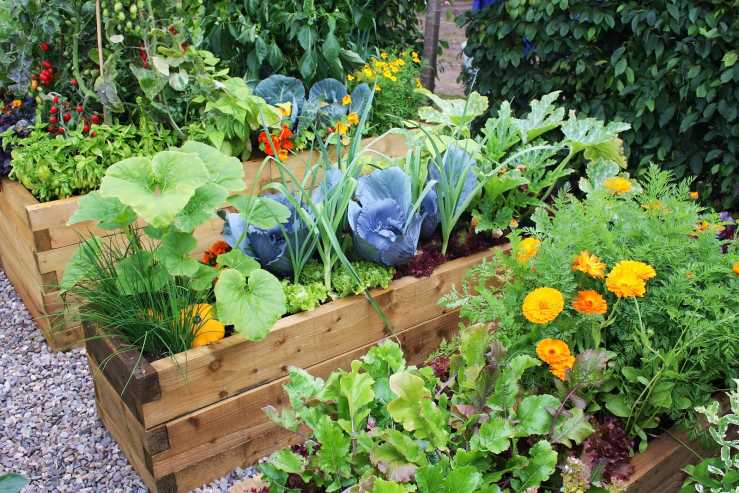
Smart farmers would not plant cold-sensitive crops until after Cold Sophie had.
passed.
Even as a child, I was fascinated by the EIsheiligen, because that idea showed up in all agricultural texts all over Europe.
 5
5


Enjoy being online again!
Welcome to the community of good people who base their values on evidence and appreciate civil discourse - the social network you will enjoy.Create your free account
2 comments
Feel free to reply to any comment by clicking the "Reply" button.
i live about 50 miles north of the peach capitol of Texas, it is very hard to grow peaches here since our last frost is normally just after the peach trees have bloomed. A few miles makes a world of difference.
 glennlab
Level 10
Mar 21, 2021
4
glennlab
Level 10
Mar 21, 2021
4
Wayne County NY grows peaches as well, but not as many trees as before. The last frost, which will kill the blossoms is unpredictable here. Maybe I should introduce the idea of the Eisheiligen; the farmers will probably kill me as a witch.
Varieties make a big difference too. I've been purusing through my gardening books and notice how certain plants have a wide range of varieties with each having different ranges and conditions they are suited for.
@glennlab - I agree, climate change poses unique challenges for gardeners. I believe our recent very cold spell is an example. I have wondered how reliable the hardiness maps are these days. I understood that some rather dramatic shifts have occurred in some regions and that older maps may not accurately reflect these changes.